
International Meeting for Autism Research 2012
Brain trust
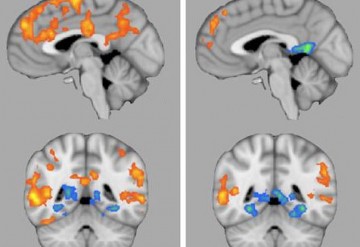
Emily SingerPreliminary research shows that in people with autism, oxytocin enhances activity in brain areas that process social information.
In autism, head growth patterns vary by gender
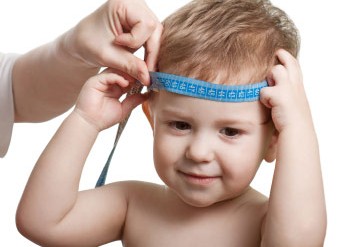
Emily SingerGirls diagnosed with autism have slower brain growth in the first year of their life than typically developing children, whereas boys’ brains grow at the same rate as those of typical children, according to a population-based study in Norway.
New report finds DSM-5 criteria unlikely to exclude many
Emily SingerContrary to previous studies, preliminary results from field trials of the new criteria for diagnosing autism suggest it will capture people on the high-functioning end of the spectrum.
Early data suggest antibiotic helps treat fragile X syndrome
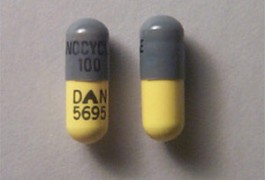
Emily SingerPreliminary results from a placebo-controlled trial of the antibiotic minocycline in children with fragile X syndrome suggest the drug alleviates some aspects of the disorder, according to research presented Friday at the International Meeting for Autism Research in Toronto.

Why it's good to share your data
Emily SingerNeuroscience funding has plateaued, so researchers need to squeeze every drop from existing data.
Long-term project charts methylation patterns in pregnancy
Emily SingerBy studying pregnant women who already have a child with autism, researchers hope to understand how epigenetic changes — those that affect gene expression but don’t directly alter DNA — during pregnancy influences risk of the disorder.
Giving fathers oxytocin boosts levels in babies
Emily SingerTwo new studies on oxytocin, the so-called ‘trust hormone,’ suggest new avenues for using the drug to treat autism.